


Special Topic | Building momentum in advanced and personalized medicine
The region benefits from close ties between hospitals, research institutes, biotech companies, and translational centers, and thus is creating an ecosystem designed to move advanced therapies more efficiently from the lab into clinical practice. This emphasis on translation is increasingly important as personalized therapies require highly specialized manufacturing, regulatory expertise, and close collaboration between academia, clinics and industry.
Excellent infrastructure for translational medicine
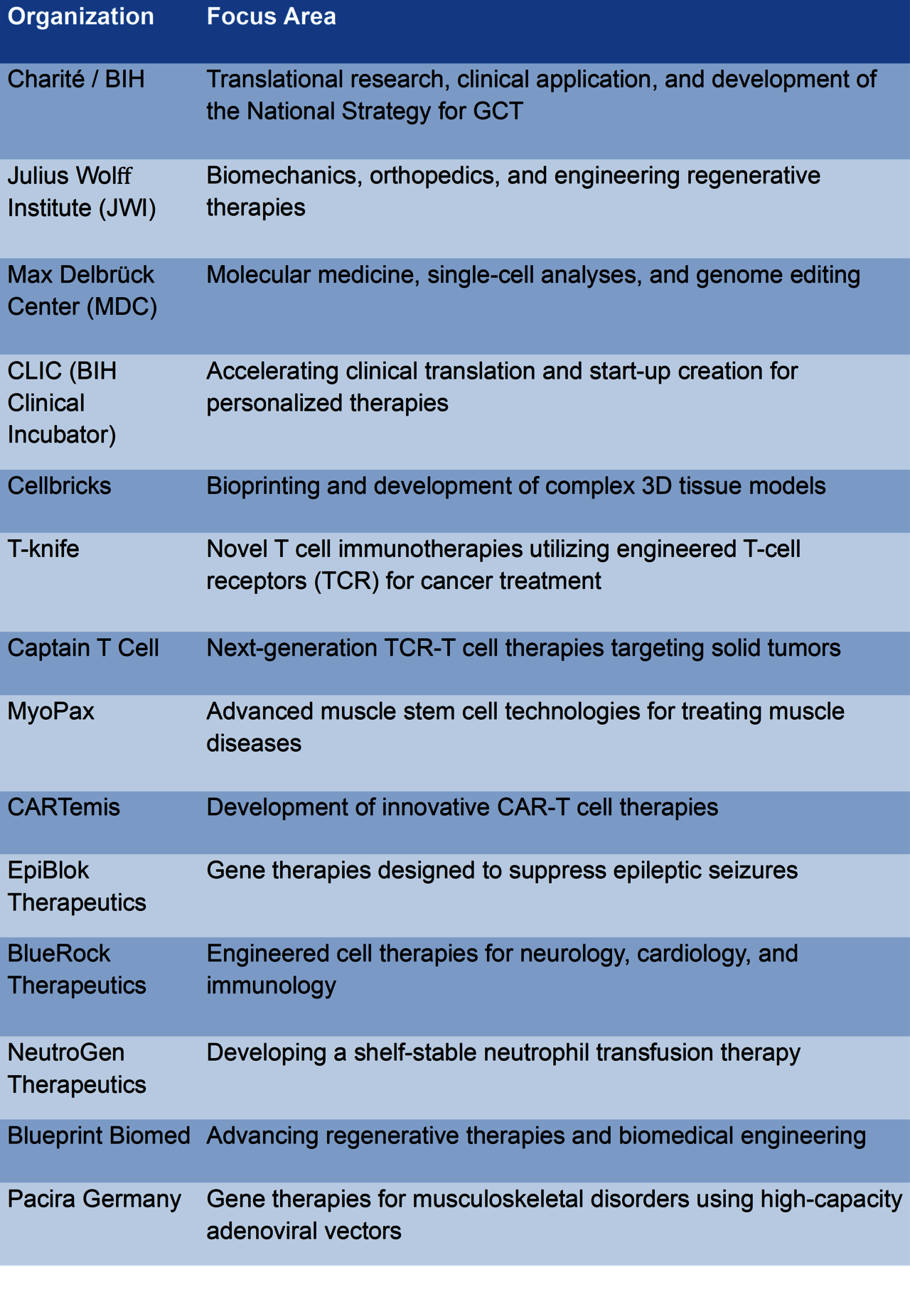
Berlin Brandenburg combines internationally recognized biomedical research with extensive clinical expertise. Charité – Universitätsmedizin Berlin is home to one of Europe’s largest stem cell transplantation centers and has established CAR-T cell therapies in clinical care. The Berlin Institute of Health at Charité (BIH) plays a central role in translating biomedical discoveries into personalized diagnostics and therapies and helped develop Germany’s National Strategy for Gene and Cell-Based Therapies.
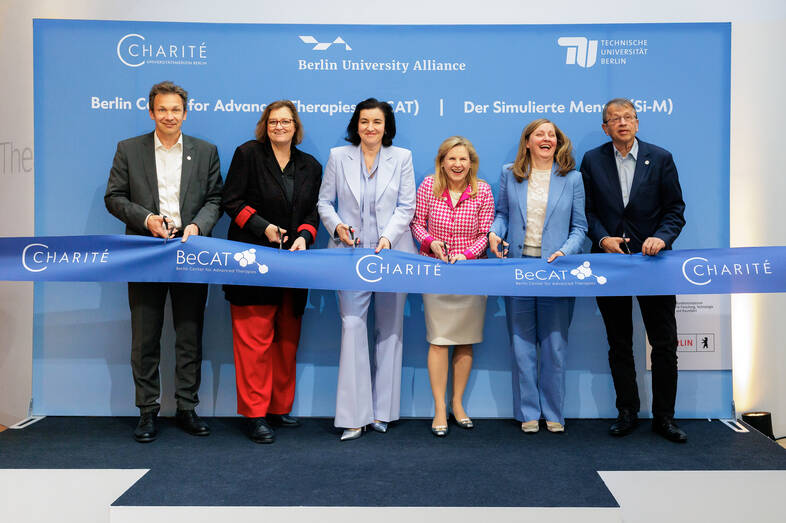
Regenerative medicine is another important pillar of the region’s advanced therapy landscape. At the BIH Center for Regenerative Therapies (BCRT), interdisciplinary teams of clinical scientists, engineers and biologists are developing cell- and biomaterial-based therapies and diagnostic tools that harness the body’s own healing processes. The Julius Wolff Institute, also part of Charité’s regenerative-therapy cluster, adds expertise in musculoskeletal regeneration using mechano-therapeutic and immune-therapeutic approaches. The Berlin Center for Advanced Therapies (BeCAT), officially opened in 2026, strengthens Berlin’s academic infrastructure for bringing Advanced Therapy Medicinal Products (ATMPs) into clinical application. With CLIC at BIH, an academic incubator structure supports teams to mature from pre-seed to seed stage.
The Max Delbrück Center for Molecular Medicine (MDC) contributes important expertise in genome editing, single-cell technologies, and cell-based medicine. In 2025, the Helmholtz Association committed €30.8 million to the Center for AI-Accelerated Molecular Innovations in Medicine at the MDC, supporting the integration of artificial intelligence into biomedical research and precision medicine.
A major milestone in gene and cell therapy
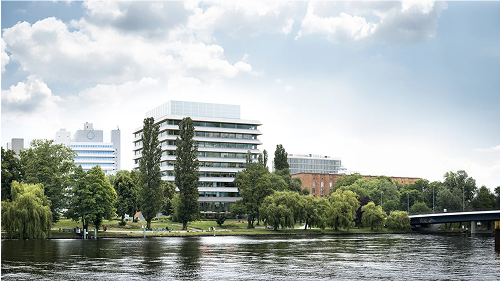
One of the region’s most ambitious projects is the Berlin Center for Gene and Cell Therapies (BC GCT), a joint initiative by Bayer, Charité and BIH located adjacent to Bayer’s Berlin campus. Backed by public investments exceeding €100 million, the center will combine laboratory infrastructure for start-up incubation and scale up, GMP-compliant manufacturing capacity, and space for 15 to 20 biotech start-ups under one roof. It will be housed in Riverside Labs, a new, highly specialized research and production facility for the life sciences sector currently under development in the heart of the Health Innovation Quarter Berlin-Mitte. Ground was broken in early June, and operations are expected to begin in 2028.
The growing network is already attracting biotech companies working on new therapeutic approaches. T-knife is developing T-cell receptor-based immunotherapies targeting solid tumors, while EpiBlock Therapeutics is advancing a gene therapy approach for epilepsy. BlueRock Therapeutics, a Bayer subsidiary, has established its first European cell therapy innovation site in Berlin and is advancing clinical programs in Parkinson’s disease.
Expanding networks and market access
Berlin is also involved in several national and European initiatives aimed at improving collaboration in the field. The EU-funded JOIN4ATMP consortium, coordinated by Charité, aims to improve market access and reimbursement pathways for ATMPs across Europe. At the national level, the National Network Office for Gene and Cell-Based Therapies, based at the BIH, supports collaboration, training, and entrepreneurship programs designed to strengthen Germany’s growing gene- and cell therapy community.

Prof. Dr.-Ing. Georg N. Duda:
"Combined with advanced diagnostics, truly personalized therapies are becoming a reality. Berlin has built a unique ecosystem to address unmet medical needs through advanced therapies by integrating precise phenotyping, innovative bioengineering, and deep mechanistic understanding. BeCAT’s new GMP manufacturing facility further de-risks advanced therapies, while BIH’s CLIC incubator supports academic projects from pre-seed to seed stage. Through BC GCT, we aim to advance company creation and commercialization even further, translating strong basic science and breakthrough technologies into scalable patient treatments. Here, teams receive the support needed to grow from early-stage ventures to broader clinical impact."

Felix Lorenz:
"With our recent financing round completed and our next-generation TCR-T cell therapy lead program on the verge of entering the clinic, Captain T Cell is moving into an exciting new phase. Our ambition is to develop transformative new therapies for patients with advanced solid tumors who urgently need novel treatment options."
Highlight project
The Berlin Center for Gene and Cell Therapies (BC GCT) is set to become a key building block in Berlin’s ecosystem for advanced and personalized therapies. Following the groundbreaking in early June, construction is now underway at Bayer’s Berlin Nordhafen campus, located within the newly designated Zukunftsort Health Innovation Quarter Berlin-Mitte. The project is designed to bring research, development, and manufacturing closer together to accelerate the path from gene and cell therapy research into clinical use.
Backed by Bayer, Charité and BIH, the center will provide modern laboratory space, GMP-compliant production facilities, and space for biotech start-ups developing new therapeutic approaches. Its aim is to further strengthen Berlin’s role in gene and cell therapy innovation in Europe and shorten the distance between early research and patient treatment.

