



Special Topic | The German Capital Region Drives the Future of Connected and Personalized Medtech
Closing this gap requires a comprehensive approach to prevention – from increasing health literacy to early detection and robust public health structures. Companies and research institutions in Berlin Brandenburg are working on a range of preventive strategies, including digital support tools, vaccines, and concepts for preparing for the next pandemic.
Laboratories and scientific institutes remain the foundation of this changing innovation infrastructure. Increasingly, these support structures combine research space with entrepreneurship support, clinical test beds, regulatory expertise, scale-up facilities and links to industry. Some offer access to wet labs and hospital environments, others provide scale-up capacity and GMP manufacturing facilites.
For biotech, medtech and digital health companies, financing is usually a staged process. Grants and government funding programs support research and proof of concept, public investors help close the pre-seed gap, and private venture capital becomes increasingly important as companies approach clinical development, market entry and international expansion.
The 2026 launch of bio:cap – International Life Science and AI Investival further strengthened the region’s profile as a meeting point for life science companies, investors and research institutions. The event combined an investor forum, innovation platform and networking festival.
Companies here have been building medical hardware for more than a century: Ottobock’s Berlin roots go back over 100 years, and BIOTRONIK developed Germany’s first pacemaker here in 1963. Today, regional players pair hardware with digital features such as sensors, connectivity, and remote monitoring, moving toward personalized, patient-specific solutions.
Today, a 65-year-old person in Germany can expect to live for another 18 to 21 years. However, only a little more than eight of these years are likely to be spent in good health. As more people live into old age, the need for long-term care and treatment for chronic conditions is increasing. This demographic development is one of several factors contributing to rising healthcare expenditure. Spending by Germany's statutory health insurance system increased from EUR 202 billion in 2015 to a record EUR 336.4 billion in 2025 – an increase of 66.6 percent within a decade1.
Investing in prevention can help extend the number of years people spend in good health. Improving health literacy is one focus of prevention initiatives in Berlin Brandenburg. A representative survey conducted in 2024 found that three-quarters of adults in Germany had low health literacy2. Charité – Universitätsmedizin Berlin addresses this challenge through its Health Education research focus, with projects focusing on areas such as mental health and drug prevention. Established in 2024, PatientenUniversität Brandenburg offers information and support services tailored to the needs of people in rural regions. The Healthy Communities project is developing multilingual services and training health guides to help people from different social groups navigate local health resources.
Targeted local initiatives can also help close gaps between medical and social care. DiVerso, developed as a pilot project by the Treptow-Köpenick public health office, is a free digital portal that helps professionals working within Berlin's support system identify suitable services for people facing complex health and social challenges.
Incubators: connecting research and entrepreneurship
Incubators offer more to early-stage companies than lab benches. They can help provide a structured route from an academic finding to a validated technology or spin-off. Young founders in Berlin Brandenburg now have a range of options to choose from, such as programs run by research institutions, incubators based in hospitals, corporate wet-lab facilities and support services on research campuses.
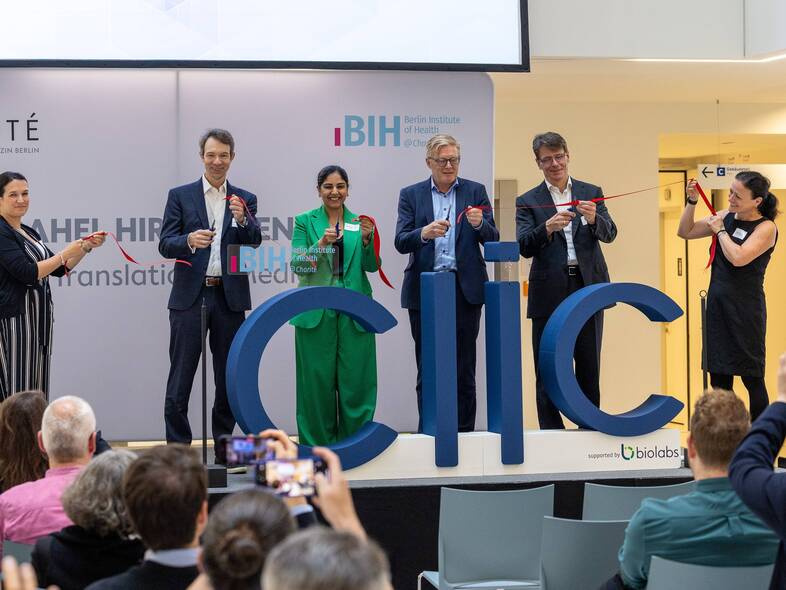
The BIH Clinical Incubator (CLIC) is located directly within a hospital setting. Run by BIH and BioLabs, CLIC was opened at the Rahel Hirsch Center in July 2025. It provides academic teams and early-stage biotech start-ups with access to labs, office space, mentorship and regulatory advice. CLIC’s aim is to translate advanced and personalized therapies into clinical applications and to foster spin-offs focused on advanced therapy medicinal products (ATMPs).
Grants for early-stage projects

Public funding is particularly important before a company generates revenue or has clinical data. The Berlin Startup Stipendium (BSS) supports teams during the pre-foundation phase with a stipend, coaching and access to incubator infrastructure. The program is delivered through a network of incubators across Berlin, offering sector-specific expertise and facilities tailored to different technology fields.
Available nationwide, the EXIST Startup Grant and EXIST Research Transfer funding programmes of the Federal Ministry for Economic Affairs and Energy (BMWE) are an important source of support for start-up teams at Berlin’s universities and research institutions. The grants help early-stage teams develop business models, prototypes and technologies with high technical and financial risk. Berlin’s Science & Startups network, the joint start-up service of Freie Universität Berlin, Humboldt-Universität zu Berlin and Technische Universität Berlin, in partnership with Charité, helps researchers identify suitable programs and prepare applications.
For life science projects, GO-Bio Next, a funding programme of the Federal Ministry of Research, Technology and Space (BMFTR) is especially relevant. It supports research teams working on biotechnology, diagnostics, therapeutics, medical technology, synthetic biology and digital life sciences. It is designed for innovations with long development timelines and high technical and commercial risk, and can cover both proof-of-concept work and the preparation of a spin-off.
In Berlin and Brandenburg, the ProFIT funding programs offered by IBB and ILB provide additional support for research and development projects as well as early-stage technology companies, making them an important source of funding for innovation-driven start-ups.
Other important sources include BIH SPARK, a mentoring and funding program that supports the translation of early-stage biomedical research into clinical applications. In addition to funding, the project offers mentoring and training to support medical innovations. The BIH Clinical Incubator (CLIC) offers infrastructure, expertise and contacts for translational projects. Programs at Charité, the Max Delbrück Center and other research institutions complement these instruments. HealthCapital provides information on funding opportunities, partners, locations and internationalization.

Designing for the individual patient
Personalization is becoming a defining feature of regional medtech. One example is a heart valve built from a patient’s own pericardial tissue, which is shaped and tailored using patient-specific 3D-printed stencils derived from MRI or CT data before being delivered by catheter. This personalized heart valve was developed by GrOwnValve, a Charité and German Heart Center of the Charité (DHZC) spin-off. DHZC implanted the first such valve in a human in June 2025; a larger safety trial is now recruiting. Because the valve is composed of living tissue, it has the ability to grow with the patient. This makes it especially suitable for children, for whom conventional replacement valves may require repeated operations.
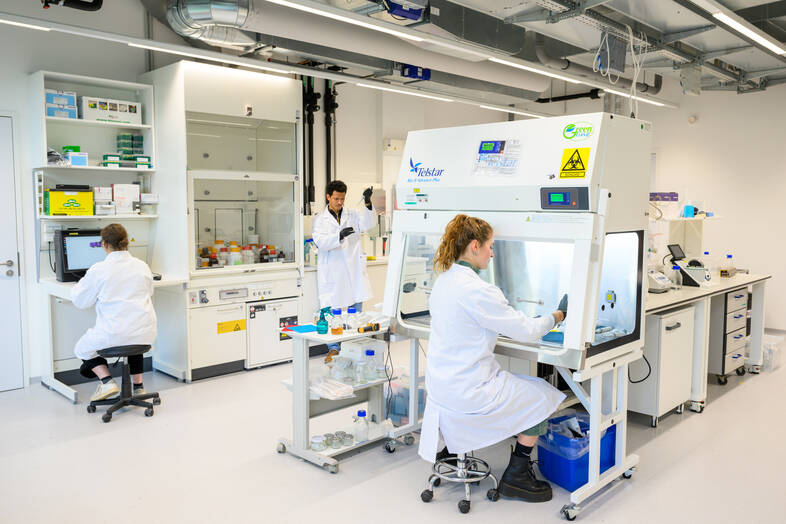
At Bayer Co.Lab Berlin, early-stage companies working in advanced therapy medicinal products, oncology and related fields have access to fully equipped laboratories, shared equipment, office space and tailored mentoring. The BerlinBioCube Start-up Lab offers young biotech companies laboratory and office space on Campus Berlin-Buch. The start-up lab is close to the Max Delbrück Center, clinical institutions and established biotechnology companies and thus allows young ventures to operate within an existing life science environment.
While less specialized, Brandenburg offers similar infrastructure. At Potsdam Science Park, its two Golm Innovation Centers, GO:IN and GO:IN 2, provide flexible laboratory and office space for start-ups and growing companies in biology, chemistry and other research-based fields.
Incubators and first investment

The region’s incubators and accelerators provide an important bridge between academic research, company formation and first financing. Initiatives such as JUNI, BIH CLIC, Nucleate, HPI Ventures and the Business Angels Club Berlin Brandenburg connect founders with mentors, investors and potential industry partners. Specialized programs such as Vision Health Pioneers, BIH SPARK, CDL Health and GeneNovate focus on healthcare, medical innovation and gene and cell therapy.
These organizations help founders validate their ideas, prepare for investment and identify suitable sources of capital. Early-stage companies can also approach to IBB Ventures and the High-Tech Gründerfonds, while the EIC Accelerator and SPRIND offer funding opportunities for high-risk innovations with significant market potential. For a detailed overview of the region’s incubators, accelerators, laboratories and other support infrastructure, see the infrastructure article.
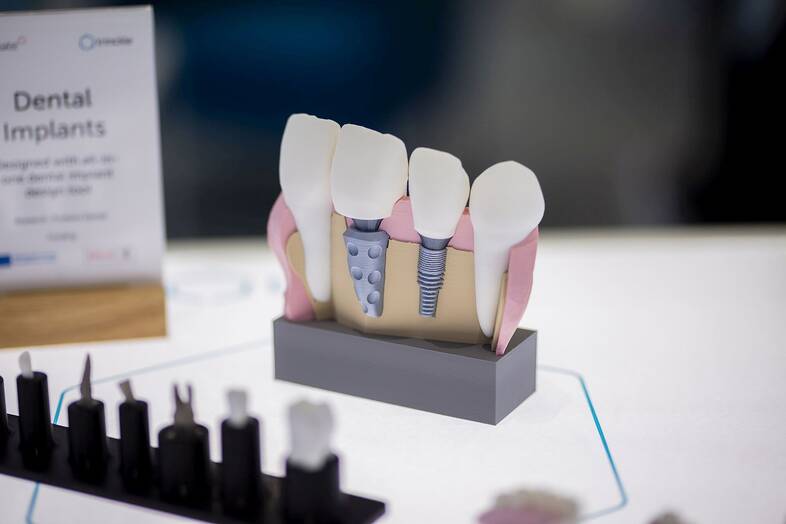
3D printing is one of the key technologies that drives this shift towards personalized solutions. Rather than relying on standard sizes, additive manufacturing creates implants and prosthetics that match a patient’s anatomy. In Berlin, trinckle 3D is applying the principle to dental care. Together with scientists at Charité and TU Berlin, the company has developed an automated digital workflow for the production of patient-specific tooth implants that replicate an individual’s root geometry.
Early detection and tailored prevention
Prevention is most effective when it takes individual risks and circumstances into account. Detecting disease before symptoms appear offers opportunities to intervene early and potentially delay or prevent its progression.
Launched in July 2026, the Einstein Center for Early Disease Interception (EC-EDI) aims to detect and treat diseases at their earliest stages, potentially even when only a few diseased cells are present. Building on a two-year preparatory phase, the center has secured €6 million in funding over six years. Researchers from Charité – Universitätsmedizin Berlin, the Max Delbrück Center, Freie Universität Berlin, Humboldt-Universität zu Berlin and other partners are developing methods that combine single-cell analysis, spatial biology, advanced disease models and artificial intelligence.
Prevention also needs to reflect the needs of different population groups. For example, migrants, children, and people facing social disadvantage may encounter different health risks and barriers to care. Tailoring programs to their needs, including language and access, is an important part of effective prevention.
Women's health is another area where prevention is becoming more tailored to individual needs and life stages. The PETRA project, involving the Berlin Institute of Health at Charité (BIH) and Femna Health, is developing an AI-supported app to provide personalized information and support during perimenopause. Vara AI, operated by MX Healthcare GmbH, develops AI software to support radiologists in breast cancer screening. Beyond individual applications, the GAIA network, initiated by the Berlin Institute for the Foundations of Learning and Data, connects research and innovation activities in women's health. Berlin's WomenX Collective hub, launched in partnership with the United Nations Population Fund, Charité and BIH, brings together organizations working in this field.
Accelerators: Advancing defined projects
Accelerators support projects for a set period of time, with progress measured against defined milestones. In the life sciences, they help research teams and companies address specific challenges, including proof of concept, clinical need, regulatory strategy, product development and market access.
In digital and data-driven medicine, the BIH Digital Health Accelerator (DHA) offers a specialized program for developing regulated digital health solutions with researchers and clinicians from Charité, as well as users and other institutions. Projects range from AI- and machine-learning-based clinical decision-support systems to digital therapeutics, data platforms and software as a medical device. Many also use sensors, robotics and augmented or virtual reality. In May 2025, BIH reported that the program had supported more than 60 projects and generated 13 spin-offs, including one nonprofit organization and one company exit.
SPARK-BIH is a translational program with an accelerator function. It supports academic projects focused on therapies, preventive approaches, diagnostics and medical devices. The program provides mentoring, education and translational expertise alongside milestone-based project development, with the aim of addressing development risks before clinical application.
CDL-Berlin Health supports science- and technology-based ventures in fields including therapeutics, diagnostics and medical technologies. It is operated at ESMT Berlin. Founders work with experienced entrepreneurs and industry experts to set development objectives and address project-specific challenges.
A recent addition is JUNI, the Berlin Brandenburg start-up factory for science-based and technology-oriented ventures. Its six-month Science to Venture Program is open to deep-tech and life science spin-off teams and focuses on team development, market validation and the transition from scientific project to viable company.
Corporate innovation initiatives offer another route into industry. Pfizer’s Digital Health Hub, MSD’s IDEA Studio Europe, RoX Health and Future4Care in Berlin connect start-ups with healthcare organizations and corporate partners. While they are not conventional incubators or accelerators, they support the development of new healthcare technologies through industry collaboration.
Recent transactions illustrate the range of available capital. AMBOSS raised €240 million in March 2025, while Voize secured US$50 million and 4TEEN4 €55 million in the same year. Recare followed with a €17.5 million funding round in January 2026. In biotechnology, Captain T Cell raised financing and grants totaling €20 million, while Cellbricks secured approximately €10 million in March 2026. Kupando’s additional €10 million Series A round brought its total Series A financing to €23 million.
Devices designed for children
Personalized, patient-specific solutions are especially important in pediatrics. After all, children’s anatomy is smaller, and they are still growing. Several device makers in Berlin and Brandenburg focus on designing implants and support systems specifically for the smallest patients. Berlin Heart’s ventricular assist devices remain the only ones of their kind for infants and small children with severe heart failure. They can bridge the wait for a donor organ. Another example is Potsdam-based Miethke, a global specialist in hydrocephalus treatment. The company develops shunt systems tailored to the needs of infants and children, helping manage a condition that often required lifelong care. Miethke works closely with Charité’s neurosurgery department.
Other companies focus specifically on childhood conditions. Cranioform trains clinicians at Charité in helmet therapy for infant skull deformities. CCtec, Berlin’s Deutsches Korsettzentrum, fits 2,000 to 2,500 scoliosis braces a year, mostly for children and teenagers, using body scans instead of plaster casts. Merete, well known for their hip implants, develops PediatrOS implants that correct leg-axis misalignment as children grow. Software is entering the field too: motus med, a Charité and BIH venture, uses smartphone video and AI to speed up diagnosis of infantile spasms.
Robotics moves toward routine care
In Berlin and Brandenburg, robotic assistance is rapidly moving from pilot projects into routine care. In 2025, the Universitätsklinikum Ruppin-Brandenburg became the first clinic in eastern Germany to introduce robotic knee and hip surgery. Charité’s Navigation and Robotics Laboratory has long run its own experimental operating room to test image-guided and robotic surgery before it reaches clinical practice. In 2025, the German Heart Center of the Charité (DHZC) built one of Europe’s largest robotic cardiac surgery programs within months, treating more than 260 patients by year’s end. The system, which was backed by the German Heart Center Foundation, supports surgeons with articulated instruments and three-dimensional visualization.
Berlin robotics research also gained a shared home in July 2025, when the Berliner Hochschule für Technik (BHT) opened its House of Robotics (Haus der Robotik). The research center houses BHT’s program for Humanoid Robotics, which has been running since 2018, alongside labs for soft robotics and human-robot collaboration, including work on industrial exoskeletons.
VC investors and growth capital

As life science companies move toward clinical development, regulatory approval and market expansion, they require larger financing rounds and more specialized investors. Berlin’s broader start-up ecosystem provides a strong basis for this. In 2025, Berlin recorded 218 start-up financing rounds – more than any other German state and almost a third of all deals nationwide. Together, these financing rounds attracted approximately €2.7 billion in venture capital. While these figures cover all sectors, they underline Berlin’s visibility among national and international investors.
Public investors play an important role in supporting early-stage companies and facilitating access to further financing.
IBB Ventures, an IBB Group company, is one of the most active players in early-stage financing in Berlin and invests from pre-seed through Series A. In addition to its two VC funds for technology and creative companies with a combined volume of €100 million and an Impact VC Fund launched in 2022 with €30 million, a €11 million Pre-Seed Fund for Berlin deep-tech startups has been in its investment phase since 2025. It completed 39 deals in 2025, including 13 first financings and 26 follow-on rounds. Its B# (“be sharp”) Pre-Seed Funds provides convertible loans from €100,000 to €500,000 for Berlin-based DeepTech start-ups, helping companies reaching larger first private Seed financing rounds.
Brandenburg Kapital, the venture-capital arm of the Investitionsbank des Landes Brandenburg, supports start-ups and growth companies based in Brandenburg with equity and equity-like investments. HPI Ventures also provides capital and investor access for technology start-ups in Potsdam.
Public investors are complemented by private life science funds, business angel networks, corporate investors and international VCs (see table for selected investors and their investment focus). In addition to capital, these investors and networks contribute sector expertise, clinical and regulatory know-how, commercial networks and access to international financing syndicates.
Global and public health
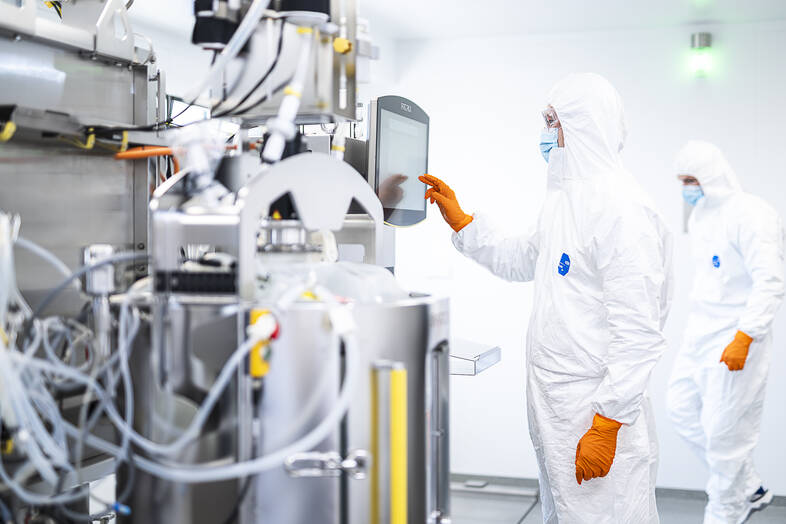
Vaccination remains one of the most effective ways to prevent infectious diseases. In Berlin, both Charité – Universitätsmedizin Berlin and the Max Delbrück Center conduct vaccine-related research, while the Berlin Centre for Travel and Tropical Medicine is one of the largest clinical trial centers for vaccine studies.
ProBioGen is also contributing to vaccine development. Together with Minapharm, the Berlin-based biopharmaceutical company is working on a vaccine candidate against Bundibugyo ebolavirus, with up to US$16.5 million in funding from the Coalition for Epidemic Preparedness Innovations (CEPI). The project aims to advance the candidate into preclinical development and a planned Phase 1 clinical trial in Africa.
Managing highly infectious diseases also requires specialized clinical facilities and infection control procedures. In May 2026, Charité treated a U.S. citizen infected with Bundibugyo ebolavirus in its specialized isolation unit. The case illustrated the hospital's capacity to manage highly infectious diseases, combining specialist clinical care with strict infection control and close coordination with public health authorities.
Early detection and surveillance are also important components of outbreak preparedness. Several institutions in Berlin Brandenburg contribute to this work. At the Robert Koch Institute's Center for Artificial Intelligence in Public Health Research (ZKI-PH) in Wildau, researchers develop AI-based methods to analyze health and environmental data, model disease spread and support public health decisions. The WHO Hub for Pandemic and Epidemic Intelligence in Berlin works with countries and research partners worldwide to improve disease surveillance, data analysis and early warning systems. In October 2026, the WHO Hub renewed its cooperation agreements with Charité and the Robert Koch Institute through 2031.
Tech parks and campuses: Room for growth

Technology parks provide laboratories, offices and production facilities for research-based companies. Campus Berlin-Buch combines one of Germany’s largest biotechnology parks with biomedical research institutes and nearby hospitals. Berlin Adlershof is a major location for biotechnology, pharmaceuticals and analytical technologies. Both bring companies close to universities and non-university research organizations, while Potsdam Science Park is expanding its capacity with additional company buildings.
The FUBIC innovation campus in Berlin-Dahlem is also adding space for research-based companies. Its Innovation Center is scheduled for completion by the end of 2026, with the first start-ups due to move in during 2027. The first office and laboratory building, named FUHUB. FUHUB welcomed its first tenants, including the Freie Universität Scale-up Lab, in 2025.
Digital tools and a growing start-up base
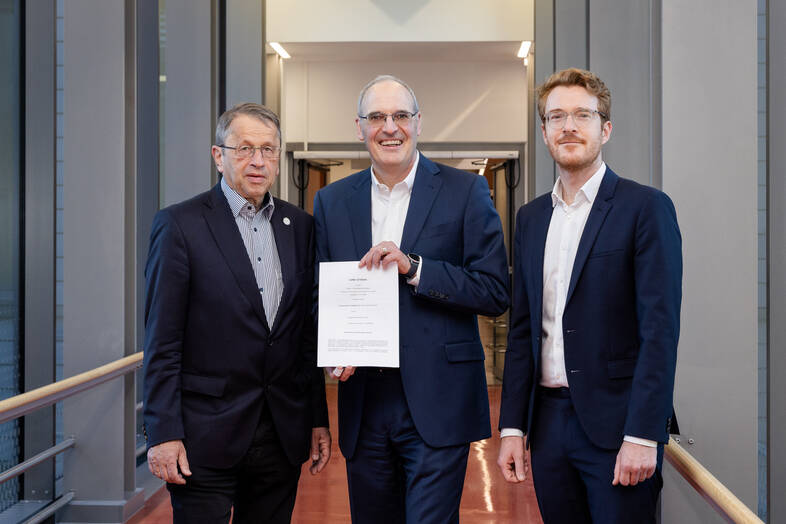
Digital innovation is reshaping cardiovascular care. BIOTRONIK has long combined implantable devices with remote monitoring and connected patient management. In May 2026, BIOTRONIK, together with Charité and the German Heart Center Foundation, announced a research partnership in digital and translational cardiology. It builds on inCareNet HF, the telemonitoring platform BIOTRONIK runs with Teltow-based GETEMED and the Berlin-base software firm SEMDATEX.
In Potsdam, the Hasso Plattner Institute’s Digital Health Cluster and the nonprofit data4life jointly run SensorHub. The initiative turns wearable and sensor data into research-ready datasets that are now used in data4life’s own D4L Collect tool.
Voices from the Ecosystem

Prof. Leif Erik Sander, Director of the Department of Infectious Diseases and Critical Care Medicine at Charité and head of a research group at the Berlin Institute of Health at Charité (BIH) and spokesperson of the Einstein Center for Early Disease Interception
"Prevention and innovation are the only ways to keep our health system financially sustainable in the long term."
Voices from the Ecosystem

Ute Mercker, Investment Director, IBB Venture:
“Berlin offers a unique research environment, pharmaceutical partners with production sites, and – with Charité and Vivantes – is home to the largest hospital complex in Germany. This provides an excellent breeding ground for spin-offs and provides opportunities for Scale-ups as well as investors! The start-up ecosystem benefits from the new standard for IP transfer by universities – initiated, amongst others, by IBB Ventures – as well as new networking opportunities such as bio:cap.”
Voices from the Ecosystem
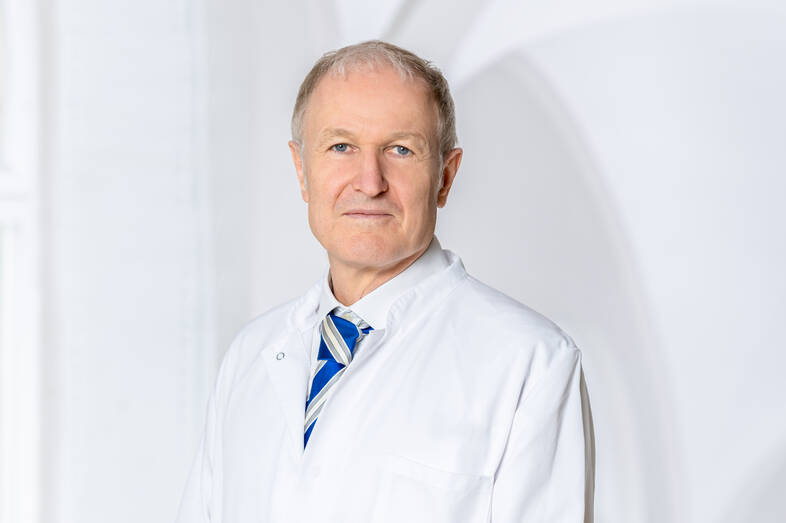
Prof. Dr. Volkmer Falk , Chief Medical Director, DHZC, Director, Department of Cardiothoracic and Vascular Surgery, Chairman of the DHZC Divisional managers
"AI and robotic assistance open new opportunities for more personalized cardiac surgery. Combining patient-specific imaging with robotic precision could help us tailor interventions to individual anatomy and make minimally invasive treatment available to more patients. Berlin brings together the clinical and research strengths of Charité and its German Heart Center, the support of the German Heart Center Foundation and leading industry partners - a strong basis for future advances."

Madeleine Roach, Country President, Sanofi:
"Prevention and early detection are essential to building resilient healthcare systems. By combining scientific innovation with strong partnerships across healthcare, research and public institutions, we can protect people from preventable diseases, detect illness earlier, and prevent secondary diseases - building not only a more resilient healthcare system, but a more resilient economy and society for generations to come."

Oliver Höppner, CEO Ascléa GmbH:
“With our latest round of fundraising, Ascléa is now in a position to realise its vision of making its AI-based solutions available to hospitals internationally and enabling them to use large language models and agent-based AI safely in day-to-day clinical practice. The regional ecosystem played a key role in this regard, both in terms of the development of our products and our associated partners, and in terms of access to the funding market.”

Selina Greuel, Co-Founder & CCO Insellar:
"At Insellar, we are building the first interface to the basal brain, making previously hard-to-reach brain regions accessible to treatment. Berlin gives us a unique combination of world-class science and clinical expertise, a thriving DeepTech ecosystem, and early-stage investors willing to back bold ideas. Support from IBB Ventures’ B# Pre-Seed Fund has been instrumental in helping us turn our vision into reality."
Selected venture capital investors and business angel networks active in the German life sciences and healthcare sector
| Investor | Investment focus |
|---|---|
| Peppermint VenturePartners | Healthcare and life sciences, including medtech, diagnostics, digital health and life-science tools and services. |
| Apollo Health Ventures | Early-stage biotechnology focused on aging, age-related diseases and healthy lifespan. |
| MIG Capital | Life sciences and deep technology. |
| Forbion | Biotech and biopharmaceutical drug development; bioeconomy and planetary-health technologies. |
| Remiges Ventures | Early-stage biotech, drug discovery and therapeutics. |
| LifeCare Partners | Life sciences and healthcare, including medtech, diagnostics, biopharma and related bioeconomy sectors. |
| Springboard Health Angels | Pre-seed and seed health-tech and life-sciences start-ups. |
| Cherry Ventures | Generalist technology start-ups, including selected healthcare and health-tech companies. |
Overview Incubators, accelerators and innovation programs (selection)
| Name | Specialization |
|---|---|
| Charité BIH ARC Innovation Center (CBAIC) | Open innovation center focused on needs-led medical innovation. |
| Bayer Co.Lab Berlin | Laboratory space, equipment and expertise for early-stage companies in cell and gene therapies, oncology and related fields. |
| BerlinBioCube Start-up Lab | Laboratory and office space for biotechnology and medtech start-ups at Campus Berlin-Buch. |
| Berlin Center for Gene and Cell Therapies (BC GCT) (planned) | Planned incubation, research and GMP infrastructure for companies developing gene and cell therapies. |
| BIH Clinical Incubator (CLIC) | Wet-lab and office incubation for advanced and personalized therapies, particularly ATMPs. |
| BIH Digital Health Accelerator | Development of digital health projects from clinical need to validation, licensing, collaboration or company formation. |
| CDL-Berlin Health | Mentoring for science-based ventures in therapeutics, diagnostics, medtech and related healthcare fields. |
| Flämingo Accelerator Health Cluster | Six-month program for healthcare, prevention and well-being start-ups, supported by Fraunhofer IZI-BB and the Fraunhofer Center for Digital Diagnostics. |
| GO:IN and GO:IN 2 innovation centers | Laboratory and office space for science-based companies in biology, chemistry, physics and related fields. |
| Green Health Accelerator | Pilot development for climate-tech solutions addressing resource efficiency in healthcare. |
| HYBRICK Launch Labs | Laboratory and office units for life science, biotech and deep-tech start-ups and scale-ups. |
| JUNI Science to Venture Program | Six-month venture-building program for life science and deep-tech research teams. |
| Match & Connect | Collaboration program connecting start-ups with clinicians, researchers and clinical facilities at Charité and BIH. |
| Nucleate Germany Activator | Educational and venture-development program for academic biotechnology teams. |
| SPARK-BIH | Translational funding and mentoring for academic projects in therapeutics, diagnostics and medical devices. |
| Startup Lausitz Accelerator | Cross-sector program with a focus on health and medtech. |
| Vision Health Pioneers Incubator | Incubation for early-stage healthcare founders, including digital health and other healthcare fields. |
| Selected organisations and companies working on prevention, early detection and health promotion in Berlin Brandenburg | |
|---|---|
| Organization | Focus Area |
| Center for Artificial Intelligence in Public Health Research (ZKI-PH), Robert Koch Institute | Develops AI models and simulations for epidemiology, disease surveillance and public health research. |
| Einstein Center for Early Disease Interception (EC-EDI) | Investigates molecular changes that precede disease symptoms, using single-cell analysis, disease models and AI to develop new approaches to early detection and treatment. |
| WHO Hub for Pandemic and Epidemic Intelligence | Connects countries and research partners to improve disease surveillance, outbreak detection and analysis of emerging health threats. |
| Early detection and precision medicine | |
| CheckImmune | Provides immune biomarker testing and data analysis for drug development and clinical studies. |
| Epimune | Uses epigenetic markers to measure immune cell populations in blood samples for research and immune monitoring. |
| Mental health and digital prevention | |
| DearEmployee | Provides software for assessing psychosocial risks at work and identifying measures to improve working conditions. |
| detoxi Health | Offers app-based programs to reduce digital stress, excessive screen time and problematic smartphone use. |
| Krisenchat | Provides free, confidential crisis support via chat for children, adolescents and young adults under 25. |
| SuchtGPT | Develops an AI chatbot to answer questions about substance use and addiction and direct users to support services. |
| Women’s health | |
| Beyoni | Offers at-home hormone and nutrient testing with individualized health recommendations for women in midlife. |
| Evela Health | Provides digital guidance and support for women during perimenopause and menopause, covering symptoms, lifestyle and hormonal changes. |
| Femna Health | Offers at-home hormone and other laboratory tests, health information and individual consultations on menstrual and menopausal health. |
| femote | Develops digital tools for gynecological practices and patients, combining symptom assessment, at-home testing and treatment guidance. |
| Hermaid | Offers a digital menopause companion with symptom tracking, health information and access to professional advice. |
| MX Healthcare GmbH (Vara AI) | Develops AI software to assist radiologists in mammography screening and the detection of suspicious breast lesions. |
| Key players (selection) | |
|---|---|
| Organization | Focus Area |
| B. Braun | Infusion therapy, anesthesia, surgical care, infection prevention, and vascular systems for minimally invasive and surgical cardiovascular treatments. |
| Berlin Heart | Ventricular assist devices (VADs) providing mechanical circulatory support for infants, children, and adults with severe heart failure. |
| bess medizintechnik | Surgical implants and disposables for ENT, head and neck surgery, pulmonology and gastroenterology, including airway stents. |
| biotrics bioimplants | Regenerative implants for bone and soft tissue repair. |
| BIOTRONIK | Cardiac rhythm management, electrophysiology, neuromodulation, patient monitoring and remote monitoring systems. |
| Carl Zeiss Meditec | Ophthalmic diagnostics, surgical lasers and intraocular lenses. |
| Eckert & Ziegler | Radiopharmaceuticals, radionuclides and radiation therapy solutions for oncology and nuclear medicine. |
| FIAGON | Electromagnetic surgical navigation systems for ENT, neurosurgery and spine procedures. |
| Hologic | Mammography, breast biopsy, cervical health screening, molecular diagnostics and women’s health solutions. |
| Jenoptik | Berlin facility develops optical components and systems specifically for dentistry (intraoral scanners) and robot-assisted surgery. |
| Karl Storz | Endoscopy systems, surgical imaging and instrumentation. |
| Merete Medical | Orthopedic implants for hip revision, primary hip care and pediatric orthopedics. |
| MELAG | Sterilization, disinfection and instrument reprocessing equipment. |
| Novanta Medical | Insufflators, pumps, integrated operating room systems, and single-use tubing solutions for minimally invasive surgery. |
| OHST Medizintechnik | Design and manufacture of hip and knee implants, with contract manufacturing services for medical device companies. |
| Olympus Surgical Technologies | Medical endoscopes, endotherapy devices and surgical energy systems. |
| Osypka Medical | Cardiac electrophysiology and temporary stimulation devices. |
| Ottobock | Prosthetics, orthotics, exoskeletons and digital mobility solutions. |
| XION | Endoscopy systems and instruments for ENT, arthroscopy and laparoscopy. |
| Zimmer Biomet | Orthopedic implants for joint replacement, trauma and sports medicine. |
| Research institutes | |
| BAM | Materials testing, safety analysis and regulatory support for medical devices. |
| Charité – Universitätsmedizin Berlin & BIH | Translational medicine, clinical research and precision health. |
| Fraunhofer | Heinrich-Hertz-Institut (HHI), Institute for Reliability and Microintegration (IZM), Institute for Production Systems and Design Technology (IPK) and Institute for Open Communication Systems (FOKUS). |
| Helmholtz Hereon (Teltow) | Metallic biomaterials research for medical implants, including titanium and magnesium alloys for regenerative and degradable implant applications. |
| Hasso-Plattner-Institut | Digital health, health data science and patient-centered technologies. |
| PTB | Metrology, calibration and measurement standards for medical devices. |
| TU Berlin (FG Medizintechnik) | Mechanically oriented medical device development, with focus on rehabilitation aids, medical product reprocessing systems and minimally invasive instruments. |
Connecting capital, innovation and infrastructure
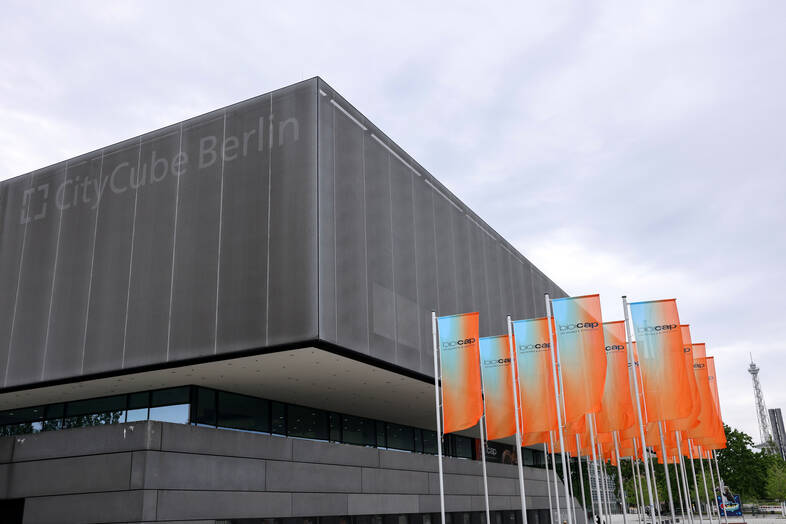
Held at CityCube Berlin from June 9 to 11, 2026, the bio:cap – Life Science and AI Investival brought together start-ups, researchers, investors, established companies and policymakers. The program combined an investor forum, innovation platform and networking event, with IBB, IBB Ventures and ILB among its partners. The next edition will take place on June 29 and 30, 2027.
The event reflects a central requirement of life science financing: scientific excellence, clinical relevance, intellectual property, industrial partnerships and capital must be considered together. The German Spin-off Framework follows the same principle. Supported by leading research institutions and venture-capital investors, it seeks to make negotiations on intellectual property, licensing and equity participation more transparent and predictable. This can shorten the path from academic research to company formation. Another example of investment in Berlin's life sciences ecosystem is Riverside Labs, a new research and production facility in Berlin-Mitte. With an investment volume of around €200 million, the development will house the Berlin Center for Gene and Cell Therapies, including a start-up incubator and GMP manufacturing infrastructure, and the Bayer Co.Lab. In addition, new laboratory developments such as FUBIC and CHARLOTTE demonstrate the region's continued investment in life science infrastructure, expanding the supply of modern laboratory space for growing companies and addressing a challenge that international investors have often associated with Berlin.
Highlight project: Centre for Artificial Intelligence in Public Health Research (ZKI-PH)
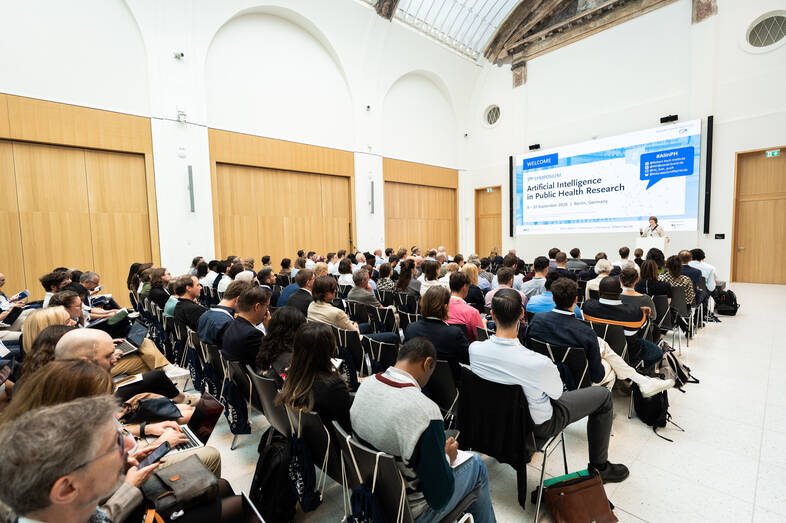
The Centre for Artificial Intelligence in Public Health Research (ZKI-PH) of the Robert Koch Institute develops AI-based methods for epidemiology, disease surveillance and public health research. The research facility is located at Centre for Future Technologies in Wildau, Brandenburg, and employs more than 50 researchers in five units working on developing models, adapting existing AI methods for public health applications, and preparing data and results for public authorities and policymakers. One example is CLIMADEMIC, a research project investigating how climate change influences the spread of infectious diseases and pandemic dynamics. By combining climate models and data with insights from infection biology and epidemiology, the project uses artificial intelligence to better understand climate-related health risks and predict how disease patterns may evolve under future climate scenarios. The ZKI-PH also offers an interdisciplinary three year doctoral program in the field of AI-supported applications in public health.
Technology transfer offices and IP support
Technology transfer offices form the institutional bridge between research and application. They identify inventions, advise researchers before publication, assess protection and commercial potential, manage patenting and licensing, negotiate IP provisions in research agreements and support routes to industry collaboration or spin-off formation.
Charite BIH Innovation: Central technology transfer service for Charite and BIH, covering IP and licensing, technology scouting, commercialization, and spin-off support
Max Delbrück Center – Innovation & Entrepreneurship: The department combines IP protection with scouting, business development, industry partnerships and spin-off support
Freie Universität Berlin – Patent and Licensing Service: Responsible for the legal protection and commercial exploitation of university research results
Technische Universität Berlin – Center for Intellectual Property: Central contact point for university inventors; TU Berlin's transfer services also cover patents, licensing, cooperation agreements and start-up support
Potsdam Transfer – Patent and Licensing Service: Brandenburg example offering invention assessment, coordination with patent attorneys, administrative support and commercial exploitation services for University of Potsdam researchers
VOBB (Verwertungsoffensive Brandenburg): joint IP‑exploitation network of the eight Brandenburg universities (and two Leibniz institutes), supporting patenting and commercialization
The Berlin Model: A standardized framework for IP transfer in academic spin-outs
A recent initiative aims to make IP transfer to academic spin-offs simpler and more transparent. Developed by the start-up factory JUNI together with a working group of technology transfer offices from Berlin's universities and research institutes, the Berlin Model introduces a standardized framework for assessing intellectual property and negotiating transfer agreements. In September 2026, ten Berlin universities and scientific institutions signed an agreement to test the model over three years. The framework includes a structured IP assessment, predefined transfer options and standardized contract terms, with the aim of completing suitable IP transfer agreements within three months.
Highlight Projects: Digital innovation
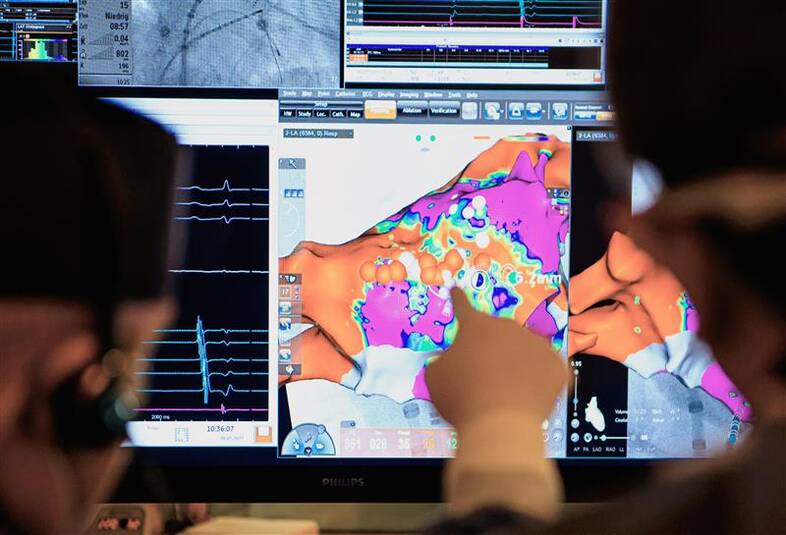
The Berlin Center for Gene and Cell Therapies (BC GCT) is set to become a key building block in Berlin’s ecosystem for advanced and personalized therapies. Following the groundbreaking in early June, construction is now underway at Bayer’s Berlin Nordhafen campus, located within the newly designated Zukunftsort Health Innovation Quarter Berlin-Mitte. The project is designed to bring research, development, and manufacturing closer together to accelerate the path from gene and cell therapy research into clinical use.
Backed by Bayer, ProBioGen, Charité and BIH, the center will provide modern laboratory space, GMP-compliant production facilities, and space for biotech start-ups developing new therapeutic approaches. Its aim is to further strengthen Berlin’s role in gene and cell therapy innovation in Europe and shorten the distance between early research and patient treatment.
A similar interdisciplinary approach can be found at the Hasso Plattner Institute’s Digital Health Cluster in Potsdam. The cluster brings together medicine and information technology, and it spans public health, health economics, computational genomics and data science. Its research covers a wide range of areas, including AI and machine learning in medicine, clinical data analysis, digital biomarkers, connected and context-aware health technologies, public health and the economics and regulation of digital health. Through research and teaching, the cluster contributes to the development of digital health technologies and the training of researchers in the field.
Future Project: DiVerso
DiVerso is a digital platform developed as a pilot project by the public health office in Berlin's Treptow-Köpenick district. It aims to improve access to health and social services, particularly for people with complex needs who struggle to navigate the existing system. The free online portal helps professionals working in healthcare, social services and public administration identify suitable support services based on a person's individual circumstances. It also provides multilingual checklists to help people understand which steps to take and where to seek assistance. By bringing together information on available services in one place, DiVerso aims to make referrals easier, reduce barriers to accessing support and improve coordination between the different organizations involved in health and social care.
Specialist networks
Specialist networks connect researchers, companies and clinical partners around shared technologies or fields of application. The following selection includes both networks dedicated to life sciences and health and cross-sector networks that provide relevant expertise in areas such as artificial intelligence, IT security, advanced materials and additive manufacturing.
Life science and health networks
- Bio-PAT: bioprocess analytics and process control
- DiagnostikNet | BB: in vitro diagnostics
- DUCAH: digital health, healthy aging and care
- MGA Medical goes Additive: additive manufacturing in healthcare and medical technology
- Life Sciences Tech Network (LSTN) Berlin: entrepreneurship and networking at the intersection of life sciences and technology
Enabling tech networks
- its.BB: IT security and cybersecurity
- KI Park: artificial intelligence
- XRBB: virtual, augmented and mixed reality industries
- SIBB: digital economy and IT industry
- INAM; advanced materials and deep tech
- AMBER: additive manufacturing
Future project: QuantumCardiology-AI

Prof Dr. Niels Wessel, Lead of the QuantumCardiology-AI project at Humboldt-Universität zu Berlin and MSB Medical School Berlin
"After three decades of basic research in magnetocardiography, I am convinced that the door to clinical translation is now open. QuantumCardiology-AI is our way through that door: quantum sensing of the heart's magnetic signals, combined with artificial intelligence, for earlier and more precise diagnosis - without contact, radiation or contrast agents. In East Asia, recent national programs are already pursuing this path with determination. The science is ready. Whether Germany and Europe now seize this opportunity, created here in Berlin, is a question of will."
The research project QuantumCardiology-AI combines quantum sensor technology and artificial intelligence to advance cardiac diagnostics. It was launched in November 2025 at Humboldt-Universität zu Berlin and MSB Medical School Berlin with the aim to diagnose cardiovascular disease earlier and more precisely. Using thousands of magnetocardiography datasets, the project trains deep learning models to recognize magnetic field patterns that remain undetectable with standard diagnostic tools. The goal is to develop non-invasive, near real-time diagnostic methods. The team is open to collaboration from clinics, industry and research to bring these methods into clinical practice.

