


Special Topic | Growing into a neurotech hub
The German capital region combines excellent neuroscience, several clinically leading university hospitals, a growing transfer infrastructure and a start-up scene that attracts substantial investment. Together, these give Berlin Brandenburg the pieces needed to carry neurotech from early research through clinical testing to commercialization and market adoption.
This article is part of the Life Sciences Report Berlin Brandenburg 2026/2027. The full report can be found HERE.
This article is part of the Life Sciences Report Berlin Brandenburg 2026/2027. The full report can be found HERE.
A strong foundation for AI in medicine

Medical AI in the region draws on the close proximity of research, clinical expertise and technology development. This research infrastructure continues to expand. Charité – Universitätsmedizin Berlin established the Institute for Artificial Intelligence in Medicine (IKIM) in 2025. IKIM aims to bring together AI activities across prevention, diagnosis, treatment and follow-up, with a focus on transferring reliable AI into clinical practice (see “Future projects”).
At the Max Delbrück Center, the Center for AI-Accelerated Molecular Innovations in Medicine (AI²M) is adding substantial research capacity. The center, backed by €30.8 million from the Helmholtz Association, will develop AI-driven approaches for precision treatment and prevention. Its researchers will use AI to analyze large-scale molecular and clinical datasets, including data from population studies. Two hubs in Berlin-Mitte and Berlin-Buch are planned, with construction set to begin in 2026.
Interdisciplinary collaboration in neurotechnology
Progress in neurotechnology depends on collaboration across disciplines. Clinical medicine contributes to the understanding of neurological conditions and therapeutic needs. Engineering, computer science, photonics and microelectronics provide the technologies required to measure, interpret and modulate activity across the brain and peripheral nervous system. Together, these fields enable the development of new approaches that can move from laboratory research into clinical practice.
The successful development and large-scale adoption of neurotechnologies require close collaboration across a broad range of high-tech industries. This is where the German capital region excels. Berlin Brandenburg brings together world-leading research institutions, global industry players, innovative start-ups, and well-connected cross-sector networks. The region's expertise in life sciences & healthcare, photonics, microelectronics, quantum technologies, digital and AI solutions creates an ideal environment for developing, testing, and commercializing next generation neurotechnologies.
The Hasso Plattner Institute is also expanding its expertise in digital health. In November 2025, Georg Kaissis took up a professorship in Digital Health: Human-Centered Transformative AI. His research focuses on multimodal AI systems that integrate medical imaging, clinical findings, genomics and population health data. One of the key aims is to develop trustworthy systems in which AI supports clinical decision-making instead of replacing it.
Berlin’s broader research infrastructure includes the Berlin Institute for the Foundations of Learning and Data (BIFOLD), based at Technische Universität Berlin, with Charité as its institutional partner. BIFOLD conducts research in machine learning and big data management, including clinical decision support and healthcare data science. The Charité Lab for Artificial Intelligence in Medicine (CLAIM) focuses on AI for medical decision-making, and the Robert Koch Institute’s Center for Artificial Intelligence in Public Health Research (ZKI-PH) extends the application to public health.
A strong research base
The region’s neuroscience base is anchored by Humboldt-Universität zu Berlin, Charité – Universitätsmedizin Berlin, the Bernstein Center for Computational Neuroscience, the Einstein Center for Neurosciences and the German Center for Neurodegenerative Diseases (DZNE) site in Berlin. Together, these institutions address a wide range of scientific questions, from computational models of brain function to the mechanisms of dementia and other neurological diseases.
NeuroCure, the long-standing interdisciplinary network at Charité, has recently entered a fourth funding phase under the Excellence Strategy, with support continuing through 2032. The Cluster of Excellence aims to better understand disease mechanisms, strengthen local research networks and support new research groups and technological platforms.
The connection between research, clinical practice and innovation is also reflected in the work of Prof. Surjo R. Soekadar, Einstein Professor of Clinical Neurotechnology and Head of the Research Division for Translation and Neurotechnology at Charité – Universitätsmedizin Berlin. His work in clinical neurotechnology focuses on moving neurotechnological approaches into patient care, including brain-computer interfaces, neuromodulation and digital health solutions. As Chief Innovation Officer of the Charité, Prof. Soekadar, alongside Managing Director Avner Shahal, is responsible for establishing the new BIH ARC Innovation Center (CBAIC) and its NeuroTech Open Innovation Hub. The hub is intended to connect researchers, clinicians, start-ups and investors around concrete neurotechnology projects, with the goal of accelerating their translation into clinical practice and real-world healthcare applications.
From biological insight to drug development
Beyond academic research, several companies based in the capital region are applying AI in the early stages of therapeutic development. The technology helps design therapeutic candidates and inform decisions about which targets or molecules should advance through the development pipeline.
Epsilico uses generative AI and geometric deep learning to develop therapeutic proteins against difficult targets such as G protein-coupled receptors, ion channels and transporters. Pheiron takes a different approach. Its applied AI models are designed to quantify biological risk and identify drug programs with a higher probability of translating successfully into humans.
Supporting diagnosis and care
Closer to clinical practice, regional companies are developing AI for medical imaging, pathology, monitoring and decision support. Charité spin-off Aignostics develops AI tools for digital pathology, analyzing tissue images and associated biomedical data for drug discovery, clinical research and precision medicine. Other Berlin companies address specific diagnostic needs. mediaire develops AI-based tools to support radiologists in the assessment of MRI scans, while the MX Healthcare platform Vara AI applies AI to mammography.
Noah Labs uses AI for the remote monitoring of people suffering from cardiovascular disease. Its Ark platform analyzes data from connected medical devices. The company is clinically investigating voice analysis as a potential early biomarker for heart failure.
Another group of applications addresses the organizational and documentation workload surrounding patient care. Aiomics combines existing case documents, voice notes and patient information to support documentation and workflow coordination in hospitals, thereby reducing the burden on healthcare staff. Voize enables nurses to create documentation through speech, directly on a smartphone and without continuous internet access. In 2025, the company raised $50 million for its AI voice assistant for medical staff. Radiant Science develops voice agents for healthcare providers that answer calls, schedule appointments and transfer information into clinic calendars and electronic health records.
Sensors, therapy and transfer
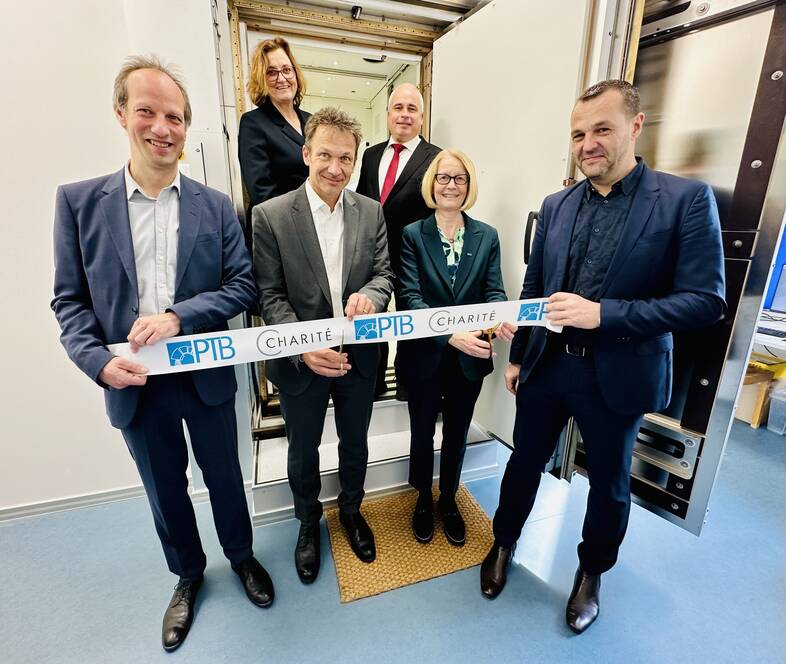
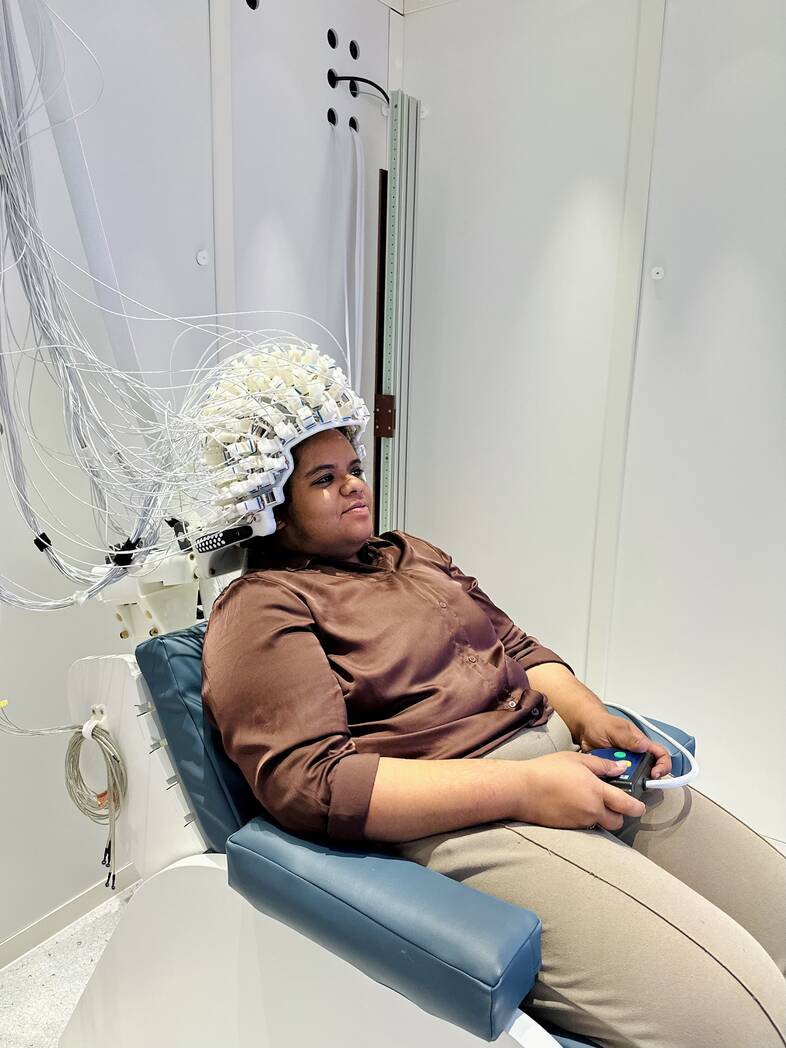
The OPM-MEG Center demonstrates how quantum metrology is entering clinical neuroscience. Charité and the Physikalisch-Technische Bundesanstalt (PTB) opened the center for biomagnetic brain research in 2025. In clinical neuroscience, a new type of high-sensitivity quantum sensors, the so called optically pumped magnetometers (OPMs), enable the measurement of the brain‘s tiny magnetic fields with high temporal and spatial resolution. Because the sensors operate at room temperature and can be used during natural movement, the technology opens up new possibilities for studying Parkinson’s disease, epilepsy and psychosis.
The Charité BIH ARC Innovation Center, opened at Charité in 2026, extends this same translational mindset into Berlin Brandenburg’s start-up scene. It serves as an accelerator for research on its way into clinical practice.
Enabling safe, practical use
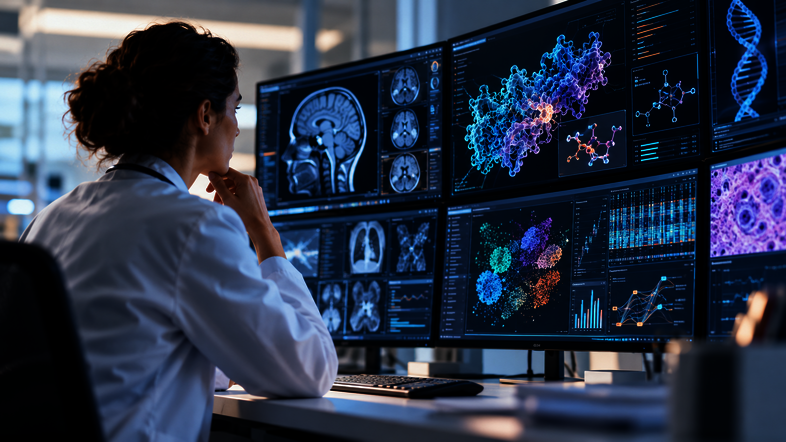
Across these different applications, the path from a functioning AI model to practical use in healthcare involves more than technological performance. Access to suitable and reliable data, interoperability, validation, regulatory requirements and integration into clinical workflows all influence whether an application moves from development into practice.
At the Berlin Institute of Health at Charité (BIH), Prof. Sylvia Thun and her research group on Digital Medicine and Interoperability are addressing a fundamental part of this challenge: making sure that health data from different sources are structured, exchanged and reused through common standards and terminologies. Working with hospitals, research institutions, industry and policymakers, the group develops and tests interoperability and documentation solutions based on international standards. This work provides part of the data infrastructure on which medical AI development and implementation depend.
Alongside these data foundations, the region is also developing structures to test and validate AI applications and support their translation into everyday care. TEF-Health provides infrastructure for testing AI and robotics in real and simulated clinical environments and supports developers as they address technical, regulatory and market-access requirements in Europe. Healthcare environments are equally important. The BIH Charité ARC Innovation Center (BCAIC) brings together clinical expertise, research and technology development to co-create and test innovations in healthcare settings. The Berliner Simulations- und Trainingszentrum (BeST) at Charité adds simulation-based training and a translation, innovation and creativity network (BeST-TrIK) that links industry with clinical contexts and expertise.
Together, these structures address key requirements for translating medical AI into practice, from interoperable data and testing to regulatory preparation and integration into clinical settings.
Investor interest is gaining momentum: Insellar secured €400,000 in pre-seed backing from IBB Ventures’ B# fund. The company is developing a brain-computer interface for severe depression and will use the funds to build a functional prototype. Nuuron raised a €3.5 million seed round led by HTGF for its “memory pacemaker”, a non-invasive, photonic neurostimulation for dementia patients.
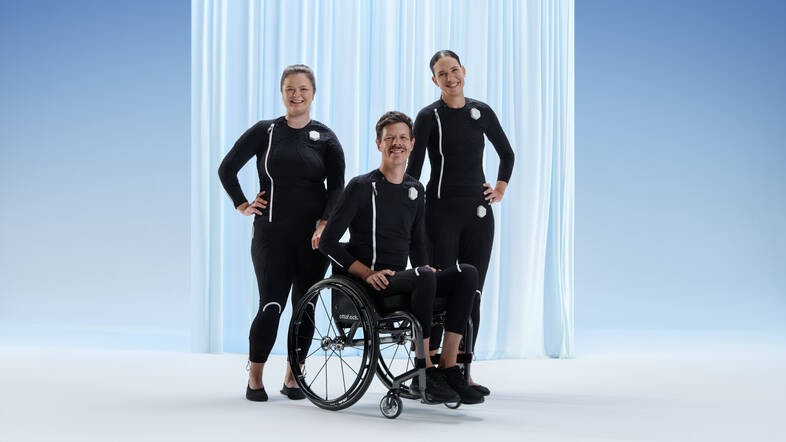
Several well-established medtech companies are already active in this space. BIOTRONIK’s portfolio includes the Prospera Spinal Cord Stimulation system for chronic pain. Ottobock has developed the exopulse suit, designed to reduce spastic symptoms and pain in conditions such as cerebral palsy and multiple sclerosis.
Turning AI’s promise into medical impact
Turning the possibilities of Artificial Intelligence into real improvements will depend on more than better algorithms. A handful of key factors will decide whether AI innovations become reliable tools in research, diagnostics and everyday care.
- High-quality health data
- Strong data protection and security
- Powerful digital infrastructure
- Interoperable systems and interfaces
- Regulatory clarity and validation support
Meeting points for the neurotech community
A packed event calendar helps keep the ecosystem visible and connected. ANT Neuromeeting brings researchers, clinicians and industry together in Berlin every year, while the Berlin Neuroscience Meeting returned in 2026 for its ninth edition. The 14th MindBrainBody Symposium is scheduled for March 2027 both in Berlin and online, giving the region another interdisciplinary platform for exchange on brain research and related technologies.
AI across the healthcare value chain
Examples are selective and represent different stages of research, development, validation and implementation. Some players are active across more than one stage. Not all applications are already in routine clinical use.
Key players (selection)
| Stage | How AI contributes | Selected examples |
|---|---|---|
| Basic research and data science | Analysis of biomedical, molecular and clinical data; drug discovery and modeling | Berlin Institute for the Foundations of Learning and Data (BIFOLD) at Technische Universität Berlin BIH ailslab data4life German Research Center for Artificial Intelligence (DFKI) Labor Berlin Zuse Institute Berlin (ZIB) |
| Drug discovery and development | Target identification, virtual screening, molecular design, biomarker discovery and patient stratification | Center for AI-Accelerated Molecular Innovations in Medicine (MDC) Epsilico Pheiron Phinomics Provolut Lucid Genomics |
| Diagnostics | Imaging analytics and interpretation of lab data | Aignostics Charité Lab for Artificial Intelligence in Medicine (CLAIM), Charité – Universitätsmedizin Berlin dentalXrai Fraunhofer Center for Digital Diagnostics Institute of Medical Informatics (IMI), Charité – Universitätsmedizin Berlin LIMAA Technologies Magnosco |
| Clinical applications and medical technology | Clinical decision support, risk prediction, monitoring and intelligent medical devices | Amboss Institute for Artificial Intelligence in Medicine (IKIM), Charité – Universitätsmedizin Berlin Mediaire Nia Health Noah Labs Sphaira Vara |
| Care and public health | Documentation, workflow automation, assistive systems; population health surveillance and prevention | Ascléa Centre for Artificial Intelligence in Public Health Research (ZKI-PH) Doctolib Medical University Lausitz – Carl Thiem nextOR NurseIT Institute Oracle Health Recare Samedi voize |
| Validation, testing and implementation | Clinical validation, experimentation and evidence generation | Berliner Simulations- und Trainingszentrum (BeST) Charité BIH ARC Innovation Center (CBAIC) maia – Center for Applied AI in Medicine MediCoRE TEF-Health |
| ANT Neuro | High-density EEG, neuronavigation, and neuromodulation systems for research and clinical use. |
| Biotronik | Neuromodulation solutions for chronic pain, including spinal cord stimulation and remote patient monitoring. |
| eemagine Medical Imaging Solutions GmbH | B2B neurotech development and manufacturing of EEG, TMS, and neuronavigation systems. |
| InnoSphere | Home-based, non-invasive brain stimulation devices for ADHD and cognitive disorders. |
| Insellar | Minimally invasive brain-computer interface for targeted stimulation in major depressive disorder. |
| NIRx | Near-infrared brain imaging systems and software for research and neurofeedback. |
| Nocturne | AI-based retinal imaging to diagnose and monitor neurological diseases. |
| Nuuron | Non-invasive photonic “Memory Pacemaker” digital therapy for Alzheimer’s disease. |
| Ottobock | Prosthetics, neuro-orthotics, and exoskeletons with digital solutions for neurorehabilitation. |
Research institutes
| Charité – Universitätsmedizin Berlin | Clinical neuroscience, brain–computer interfaces, and non-invasive neuromodulation for neurological and psychiatric disorders. |
| Berlin Institute of Health in der Charité (BIH) | Translational research hub advancing precision medicine, including neurotechnology for brain diseases. |
| Max-Delbrück-Centrum für Molekulare Medizin (Max Delbrück Center) | Molecular and systems neuroscience research on brain function, circuits, and neurodegeneration. |
| Humboldt-Universität zu Berlin | Academic neuroscience and computational neuroscience. |
| NeuroCure (Exzellenzcluster) | Excellence cluster for mechanisms and therapies of neurological and psychiatric disorders. |
| Bernstein Center Computational Neuroscience | Computational and cognitive neuroscience across scales, from synapses to brain systems. |
| Einstein Center for Neurosciences | Interdisciplinary umbrella fostering neuroscience collaboration, training, and visibility in Berlin. |
| Leibniz-Forschungsinstitut für Molekulare Pharmakologie (FMP) | Molecular pharmacology targeting neurodegeneration and brain-related disease mechanisms. |
| Intelligent Biomedical Sensing (IBS) Lab | Wearable multimodal neurotech (fNIRS, EEG) with ML for everyday brain–body monitoring. |
| Deutsches Zentrum für Neurodegenerative Erkrankungen (DZNE) | National research on causes, prevention, and treatment of neurodegenerative diseases. |
| Fraunhofer-Institut für Zuverlässigkeit und Mikrointegration IZM | Microelectronics and system integration for neurotech devices, sensors, and implants. |
Voices from the Ecosystem
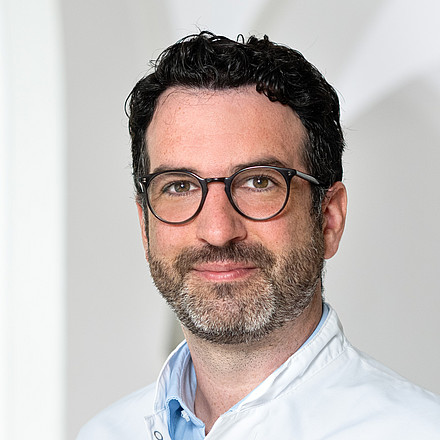
Prof. Alexander Meyer, Director of the Institute for Artificial Intelligence in Medicine (IKIM); Chief Medical Information Officer of the German Heart Center, Charité
"As the overarching goal of the Institute for Artificial Intelligence in Medicine, I see the IKIM generating real added value at Charité in both research and application, enabling us to implement AI in medicine efficiently. In particular, we are focusing on the application of foundation models and agentic AI systems. Over the next four years, such systems may be able to interact with clinical systems in a semi-autonomous or even autonomous manner and, in some cases, make decisions independently. Naturally, we also want to involve industry in this process."
Voices from the Ecosystem
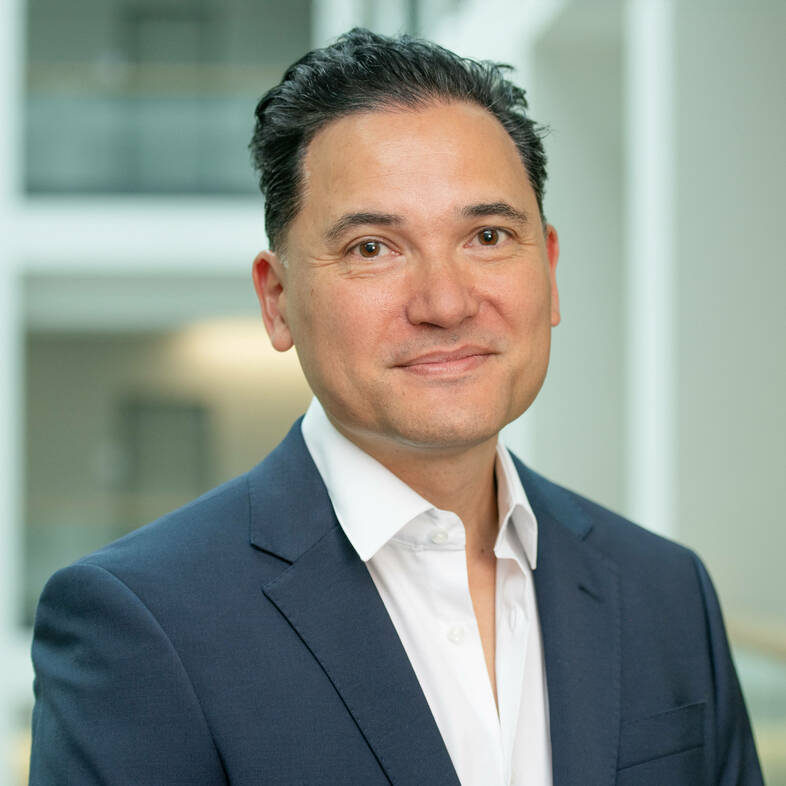
Prof. Surjo Soekadar, Head of research division Translation and Neurotechnology, Head of research group Clinical Neurotechnology, Charité - Universitätsmedizin Berlin
"Our research focuses on integrating next generation quantum sensing with novel neuromodulation technologies, including temporal interference magnetic stimulation, to create bidirectional brain-computer interfaces. We believe this convergence will enable a new generation of precision therapies for neurological and psychiatric disorders.“
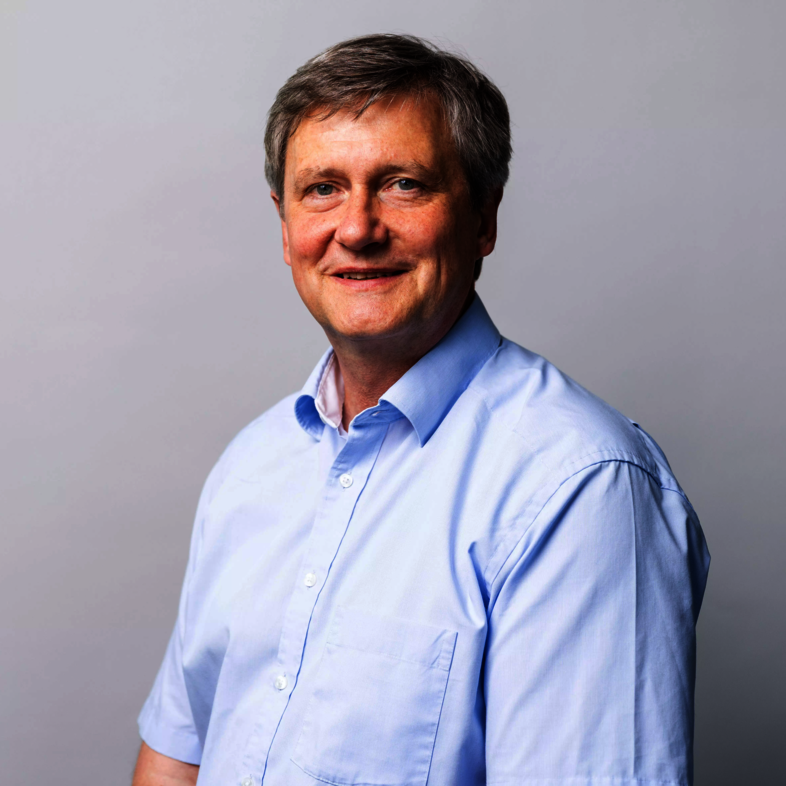
Prof. Klaus-Robert Müller, Director of the Berlin Institute for the Foundations of Learning and Data (BIFOLD)
"Berlin has a number of internationally recognised big data and machine learning research groups that already have many years of experience and with which we cooperate successfully. In addition, many other interdisciplinary research institutions and think tanks are based in Berlin, which can stimulate and complement each other. BIFOLD and its institutional partner Charité together with the strong AI ecosystem of the region are increasingly translating cutting-edge research into medical applications that can improve healthcare and patient outcomes."
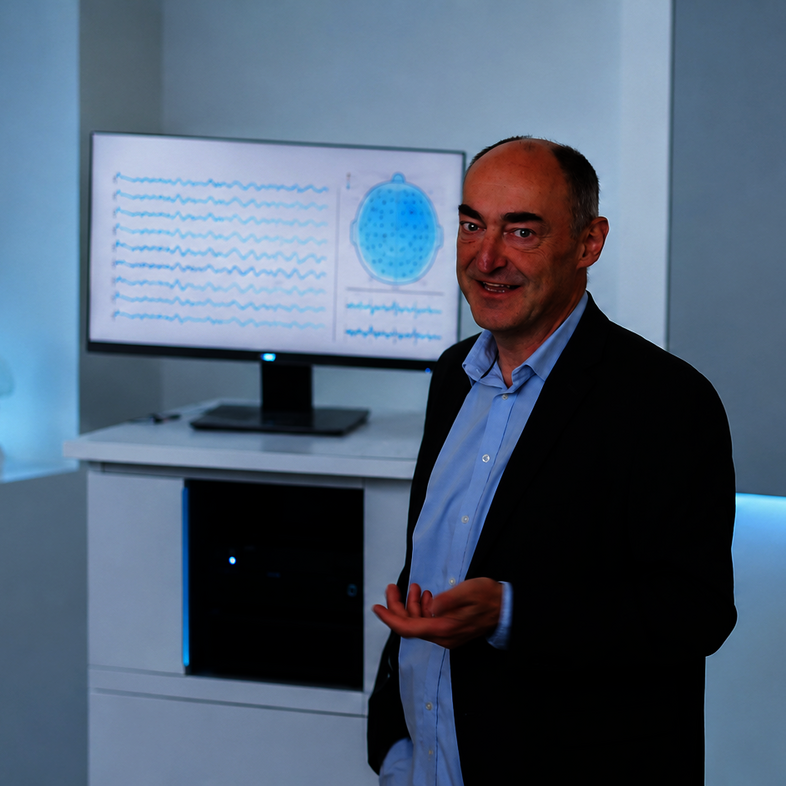
Dr. Frank Zanow, Founder and CEO of eemagine and ANT Neuro
“As a developer of neurotech solutions and Medical Device Manufacturer, we benefit from Berlin's unique ecosystem, one where neuroscience innovations can truly take root. Here, we are close to many of our academic and clinical partners, and the city itself is attractive particularly to international talent.”

Prof. Dr. Petra Ritter, coordinator of TEF-Health and Head of the “Brain Simulation Section” at the Berlin Institute of Health (BIH) at Charité – Universitätsmedizin Berlin
“With TEF-Health, we want to help ensure that the digital transformation in the healthcare sector is secure and transparent.”

Fabian Queisner, Founder and CEO of Nuuron
"Nuuron is well on its way to developing what may become one of the first true Digital Drugs for Alzheimer’s disease: an at-home neuromodulation therapy based on our proprietary technology. While no molecule is involved, our approach aims to deliver therapeutic effects through precisely engineered neurostimulation. From the very beginning, the outstanding neurotech research environment around Charité has been the ideal place to develop our start-up."
Highlight projects
TEF-Health
The Testing and Experimentation Facility for Health AI and Robotics (TEF-Health) provides a single-entry point to extensive tests on health AI and robotics solutions within real or realistic environments. It brings together 52 partners, including top hospitals such as Charité, research institutes, and certification experts. This pan-European initiative supports the safe, effective and trustworthy introduction of AI and robotics in healthcare. Its scope of services ranges from software for diagnostics and patient care to intelligent robotic systems for surgery and nursing, as well as access to data. By enabling technologies to be tested under realistic conditions, the infrastructure is designed to accelerate certification processes, support regulatory compliance and facilitate market access across Europe.
Highlight Project: OPM-MEG Center
Jointly run by Charité – Universitätsmedizin Berlin and the Physikalisch-Technische Bundesanstalt (PTB), the OPM-MEG center brings together complementary expertise from both institutions. PTB oversees the biomagnetic measurements using its quantum sensors, while Charité applies the technology to neurological and psychiatric research. At its core is a magnetoencephalography (MEG) system built from around 100 optically pumped magnetometers (OPMs), supported by a joint national research grant and housed in a dedicated magnetically shielded chamber procured by PTB. Located on Campus Charité Mitte, close to patients, the center also serves as a testbed for qualifying PTB’s quantum sensor systems for industrial use and regulatory approval.
Future project
Institute for Artificial Intelligence in Medicine (IKIM)
The Institute for Artificial Intelligence in Medicine (IKIM) at Charité – Universitätsmedizin Berlin was founded to integrate AI solutions into healthcare, generate evidence on their clinical benefit, and embed them in everyday clinical practice. Led by founding director Professor Alexander Meyer, the institute’s work covers fundamental AI research, development of clinical applications and structured testing in patient care. In close cooperation with the Berlin Institute for the Foundations of Learning and Data (BIFOLD), IKIM develops new AI methods and translates them into applications for medicine and clinical practice. A dedicated service unit supports researchers and clinicians on AI projects. The institute also develops curricula for medical education and continuing education programs to anchor AI competencies in healthcare professionals. The institute is based at Campus Virchow-Klinikum.
Future project: NeuroTech Open Innovation Hub
Charité BIH ARC Innovation Center (CBAIC) has launched the NeuroTech Open Innovation Hub, a clinically grounded platform for the responsible development, validation, and scaling of neurotechnology across medical and consumer applications. The hub was created in response to a persistent European scaling gap. While Europe produces strong research output, funding remains fragmented and commercialization pathways are weak. A largely unregulated consumer segment adds to the challenge. The hub’s structured innovation platform for science, clinical practice, industry, and policy seeks to address these issues. The NeuroTech Hub targets start-ups, clinicians, investors, regulators, and patient communities; its services span stakeholder access through community and corporate councils, ecosystem matchmaking, public-private matching funds via the Einstein Foundation Berlin, and product evaluation including a Charité Seal of Quality and EU Seal of Trust readiness. With the hub, Charité aims to establish Berlin as a leading hub for responsible neurotechnology.

